


If you run residential calls around Seattle, Tacoma, Everett, or the Eastside, you know how often “just a backup” turns into a deeper issue. A craftsman in Ballard with a basement laundry that floods after big storms. A mid‑century rambler in Shoreline where the front yard never quite dries out. A classic Seattle box on Capitol Hill with towering trees and a finished basement apartment. Once you send the camera down the line, the real story usually lives out of sight.
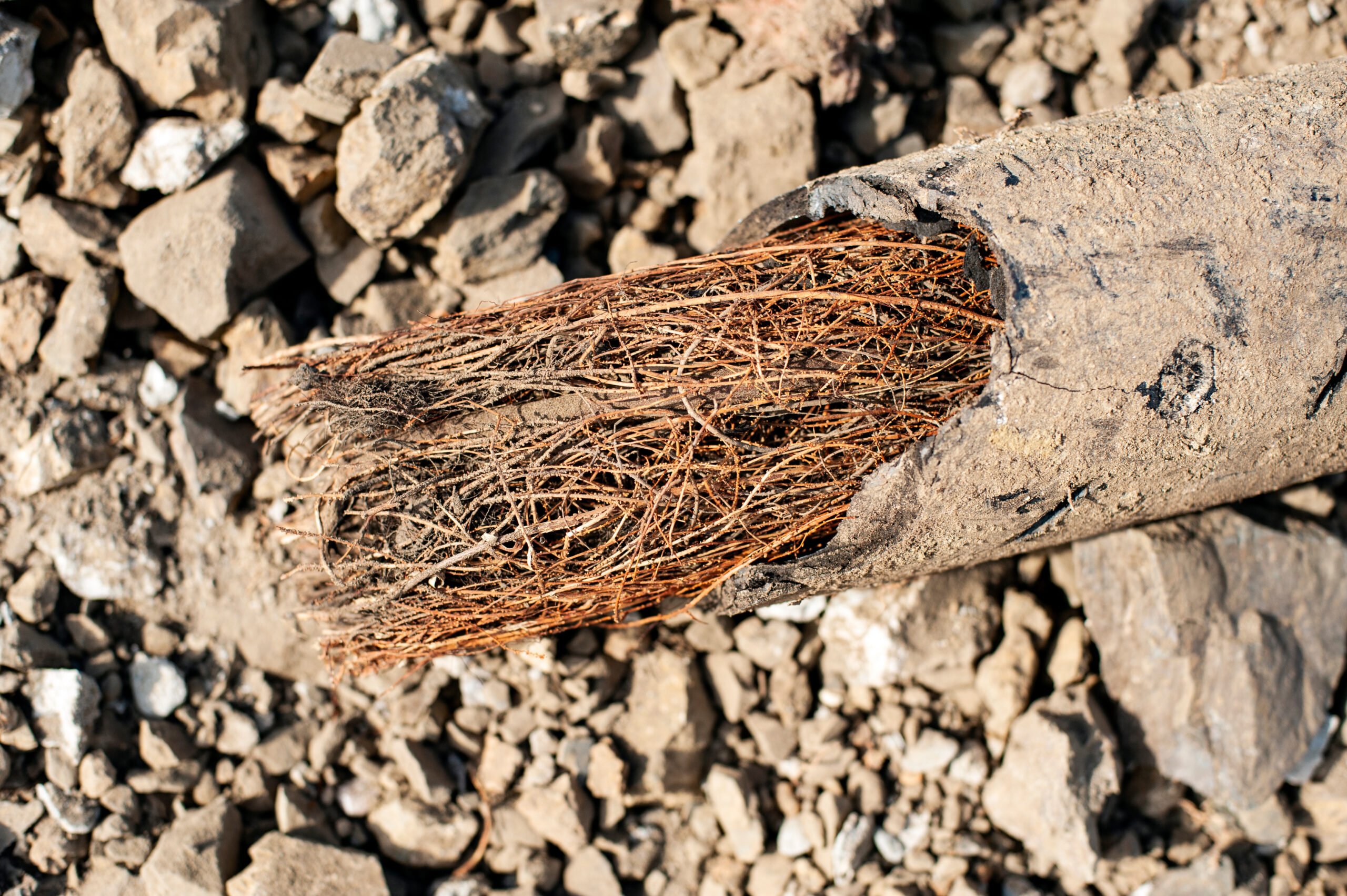
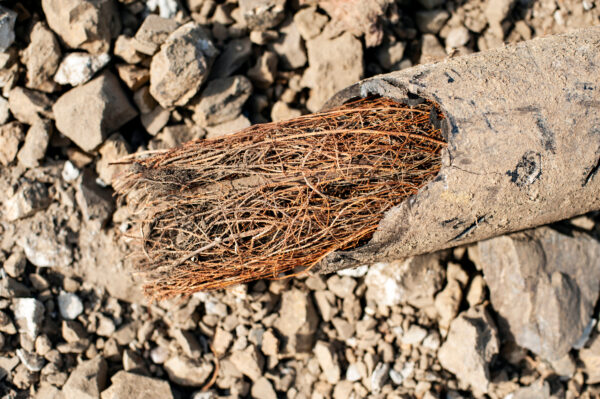
You see root intrusion from big maples and firs, settled or broken pipe in saturated soil, and joints that have shifted after years of rain and ground movement. In the Puget Sound region, sewer line problems are not just about grease or one bad flush. They are about constant moisture, mature trees, and older materials that have quietly reached the end of their life.
For residential plumbers who want to lead in this market, this is the right time to build a sewer line repair strategy around trenchless solutions that respect Seattle’s wet climate and tree‑filled neighborhoods.
Why Seattle’s Climate And Trees Drive Sewer Line Problems
Seattle combines steady moisture, older housing, and serious tree cover. Many neighborhoods still rely on original clay or cast iron laterals that have survived decades of rain, soil saturation, and root growth. Between street trees, backyard evergreens, and sloped lots, those lines are under constant pressure.
You probably recognize these patterns:
- Craftsman homes and bungalows with original laterals running under sidewalks and planting strips.
- Sloped lots where lines run down hillsides that are always damp.
- Tight city yards with big trees planted right over the path of the sewer line.
- Finished basements and ADUs that sit below grade and cannot afford a single backup.
Each of these situations raises the risk that a simple cable or jet is only a short‑term win. They also make open‑cut excavation disruptive, especially when you have to work around roots, retaining walls, and steep driveways.
Why Camera Inspections Are Non‑Negotiable In Seattle
In this environment, guessing is expensive. Sewer line rehabilitation in Seattle starts with proof. Camera inspections help you distinguish between a one‑off clog and serious sewer line problems that will show up again the next heavy rain.
It makes sense to recommend inspections when you see:
- Repeat backups after wet weather or long rainy stretches.
- Soggy or uneven ground over the line path, especially near trees.
- Older homes with no record of previous sewer line repair.
- Houses with finished basements, ADUs, or rental units relying on the same line.
Once homeowners see video of cracks, offset joints, bellies, or thick root intrusion, the conversation shifts. Instead of asking whether they really need more than cleaning, they start asking how to get a permanent fix. That is your opportunity to explain trenchless sewer repair and trenchless sewer line repair as smart answers for our region’s conditions.
Why Dig‑And‑Replace Is A Tough Fit For Many Seattle Yards
There are still jobs where a trench is necessary, but in Seattle open‑cut work can be a real headache. Digging in wet, root‑filled soil often means:
- Fighting constant moisture and unstable trench walls.
- Cutting through sidewalks, rockeries, steps, and carefully built retaining walls.
- Working around dense tree roots that homeowners do not want damaged.
- Hauling heavy, wet spoil up and down steep driveways and narrow side yards.
Those realities make traditional dig‑and‑replace a hard sell for many Seattle homeowners, especially in neighborhoods where curb appeal, tree protection, and slope stability matter. That is why more local plumbers are centering their sewer line repair offerings around trenchless sewer technology. When you fix the pipe from the inside, you avoid many of the surface impacts that cause stress and delays.
How Cured In Place Pipe (CIPP) Fits Seattle Residential Work
Cured in place pipe, or CIPP, lets you build a new pipe inside the old one. A resin‑saturated liner is inserted into the failing line and then cured in place, forming a smooth, jointless pipe that resists roots and handles constant moisture.
For Seattle plumbers, CIPP offers practical advantages:
- It lets you work under sidewalks, rockeries, and gardens with minimal excavation.
- It seals out root intrusion from trees that you and the homeowner want to preserve.
- It provides structural sewer line rehabilitation that stands up to long, wet seasons.
- It limits the amount of yard, driveway, and hardscape that needs to be disturbed.
Trenchless sewer repair that uses CIPP allows you to say, “We can rebuild the inside of your pipe and keep your slope, trees, and landscaping largely intact.” In neighborhoods where every planting strip and backyard matters, that message lands well.
Why UV Cured CIPP And UV Cured Pipe Lining Help In Cool, Wet Conditions
Traditional CIPP often relies on hot water, steam, or ambient curing. In the Seattle area, cool temperatures, steady rain, and changing conditions can make cure times harder to predict. That adds stress when you are trying to get a family’s only bathroom back in service on a tight schedule.
UV cured CIPP changes the equation. With UV cured pipe lining, an ultraviolet light source cures the liner from the inside when you choose. LightRay UV pipe lining is one example, using LED technology to give you precise control over the cure.
On a Seattle job, this delivers real benefits:
- The liner stays workable while you position, check, and adjust it.
- You start the cure only after you are happy with the placement.
- Outside temperature and drizzle have less impact on the outcome.
- Cure times are short and consistent, so you can restore service quickly.
For plumbers working in crawlspaces, basements, and narrow side yards on wet days, UV cured pipe lining makes trenchless sewer line repair more predictable and less weather‑dependent.
How LightRay UV Pipe Lining Fits Seattle’s Mix Of Homes
From older Seattle boxes and craftsman homes to newer infill builds and townhomes, the region’s housing mix is varied. LightRay UV pipe lining systems are designed for the lateral sizes and access conditions you see across that range, especially for residential spot repairs and full runs.
Key advantages for Seattle residential work include:
- Rapid cure times that get multi‑bathroom homes, basement apartments, and ADUs back online fast.
- Clean, low‑odor curing that keeps families comfortable when windows stay closed during cooler, rainy days.
- Reliable performance in tight basements and low crawlspaces that are common in older neighborhoods.
- Flexibility to handle many sewer line rehabilitation situations, from root‑choked joints to long deteriorated sections.
When you combine thorough cleaning, inspection, and UV cured CIPP, sewer line problems under Seattle sidewalks, planting strips, and backyards become managed projects instead of muddy, open‑ended emergencies. Homeowners see a clear plan and a tidy job. You see work that is easier to schedule and complete, even in the wet season.
Helping Seattle Homeowners Understand Responsibility And Risk
Many Seattle homeowners are not fully sure where their responsibility for sewer line repair begins and ends. Some believe anything near the street belongs to the city. In many areas, they still own and must maintain the lateral between the house and the main.
By taking time to explain:
- Which portion of the line they likely own,
- How roots, slope, and constant moisture affect that section,
- And how trenchless sewer technology can reduce disruption and long‑term cost,
you become more than just the emergency number on the fridge. You become a trusted guide. When the next heavy rain exposes a weak line, they remember the plumber who walked them through cured in place pipe and UV cured CIPP options, not the one who just cleared a blockage and left.
Growing A Stronger Seattle Plumbing Business With Trenchless
For residential plumbers serving Seattle and surrounding communities, investing in trenchless sewer line repair is both a technical and business move. It lets you align your services with local climate, lot layouts, and homeowner expectations.
With the right trenchless tools and training you can:
- Win higher‑value jobs from clients who care about protecting trees, landscaping, and slopes.
- Cut down on repeat calls caused by structural defects that cleaning alone cannot fix.
- Turn difficult properties into case studies that generate referrals from neighbors, real estate agents, and property managers.
- Use inspection video and project documentation to show future customers why trenchless sewer repair and sewer line rehabilitation are smart investments in this region.
LightRay UV pipe lining and other UV cured CIPP systems give you the confidence to take on complex sewer line problems with clear timelines and dependable results. In a city known for rain, roots, and hillsides, that confidence sets you apart.
Your Next Step As A Seattle Plumber
If you are ready to move beyond short‑term fixes and start offering full sewer line rehabilitation across Seattle‑area neighborhoods, now is the time to look closely at trenchless sewer technology. Review the sewer line problems you see again and again in your service area. Identify jobs where cured in place pipe and UV cured pipe lining would have turned a risky excavation into a controlled trenchless project.
Talk with your suppliers about LightRay UV pipe lining packages sized for residential laterals. Choose one or two projects that are strong candidates for trenchless sewer line repair, document the process and results, and use that proof in your future sales conversations.
In a region defined by trees, rain, and aging underground lines, the plumbers who master trenchless sewer repair will be the ones Seattle homeowners call first when the next backup threatens their basement, their ADU, and their peace of mind.