



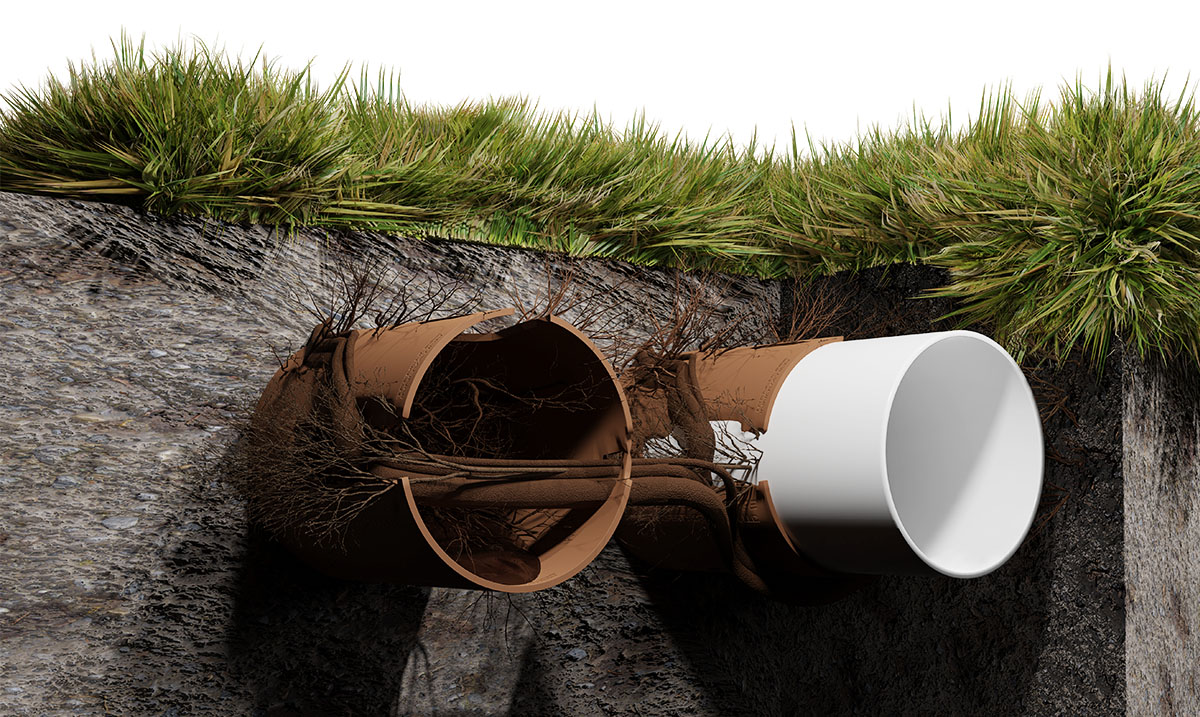
Seattle’s underground is a product of the last ice age. Glacially deposited soils across King County range from dense glacial till to loose, unconsolidated fill within the span of a single block, and the pipes buried in that variable ground have been absorbing the consequences ever since.
For contractors and engineers working on trenchless pipe rehabilitation across Seattle, Bellevue, Tacoma, and the broader Puget Sound corridor, CIPP liner thickness is a decision that reflects how well you understand what is actually happening below grade. Get it right, and the job holds for decades. Get it wrong, and the ground will find the margin you left out.
What Seattle’s Underground Environment Actually Looks Like
The Pacific Northwest receives consistent, sustained rainfall throughout the fall, winter, and spring seasons. Seattle averages more than 37 inches of precipitation annually, and the atmospheric river events of 2024 and early 2025 pushed saturation levels across King and Pierce County well beyond normal parameters. That moisture keeps groundwater tables elevated for extended periods and places continuous hydrostatic loading on buried pipe systems throughout the rainy season.
Soil variability compounds the challenge in ways that standard design assumptions cannot fully capture.
Glacial till in some areas provides relatively stable support. Loose fill in others, particularly in older Seattle neighborhoods that were regraded during the Denny Regrade and subsequent development periods, shifts under load in ways that create highly localized pressure points on host pipes. A 2mm cured-in-place pipe liner designed for predictable soil conditions has limited capacity to absorb that kind of variable, localized loading.
Seattle’s steep hillside topography adds another load dimension entirely. Gravity-driven soil movement on Capitol Hill, Queen Anne, and the Beacon Hill ridge creates differential loading on buried pipes that flat-terrain design tables simply do not account for.
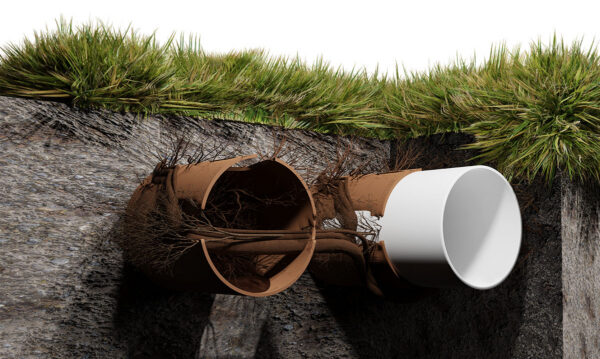
The Load Factors Specific to Seattle Installations
When evaluating CIPP liner thickness for a Seattle or Puget Sound project, the structural loading environment includes:
• Highly variable glacially deposited soils ranging from dense till to loose unconsolidated fill across short distances
• Consistently elevated groundwater pressure driven by sustained Pacific Northwest rainfall and atmospheric river events
• Steep hillside terrain creating gravity-driven differential soil loading unique to the Seattle metro topography
• Cascadia Subduction Zone seismic exposure, a megathrust risk profile fundamentally different from the fault-line seismicity of other western markets
• Aging timber stave, clay tile, and early concrete host pipes in older Seattle neighborhoods, many of them installed during the city’s rapid early 20th-century expansion
• Sound Transit expansion and urban densification projects increasing subsurface construction interference across the core metro area
• King County and Seattle Public Utilities specifications reflecting the region’s demanding underground performance requirements
A 2mm CIPP liner may satisfy minimum ASTM F1216 thresholds in stable, predictable conditions. Seattle’s underground does not offer predictable conditions.
Why Performance Record Matters More Here Than Almost Anywhere
King County manages one of the most technically sophisticated wastewater systems on the West Coast, and its active CSO consent decree is driving a sustained wave of rehabilitation work across the metro. Seattle Public Utilities runs parallel programs with rigorous post-installation inspection requirements. For contractors, this is one of the most active and well-funded municipal rehab markets in the country. It is also one of the most closely watched.
A liner that underperforms on a King County or SPU project does not just create a warranty claim. It creates a documented performance record in a market where the same engineers and project managers are awarding contracts year after year. Pipe lining warranty risk in Seattle is not an abstract liability. It is a direct threat to your next bid opportunity.
Why 3mm Is the Right Specification for Pacific Northwest Work
A 3mm CIPP liner provides the structural margin that Seattle’s load environment demands. The advantages are direct and market-specific:
• Greater resistance to variable glacial soil pressure and localized load concentrations across the metro area
• Improved sewer liner structural capacity in deteriorated timber, clay, and early concrete host pipes common in older Seattle neighborhoods
• More installation forgiveness when soil variability creates support conditions that differ from pre-mobilization assessments
• Enhanced long-term pipe liner durability through sustained seasonal saturation and elevated groundwater cycles
• Stronger seismic performance margin given Cascadia Subduction Zone exposure and the unpredictable nature of megathrust ground movement
• Defensible CIPP structural requirements for King County engineering review, SPU specifications, and third-party post-installation inspection
For engineers writing specifications on King County and SPU rehabilitation contracts, 3mm is the recommendation that holds up under the detailed post-job scrutiny this market applies.
The ASTM F1216 Question That Resolves the Decision
ASTM F1216 liner calculations are designed for site-specific application. In a market where glacial till and unconsolidated fill can exist within the same installation zone, applying a regional average to a calculation that depends on actual soil modulus values is not just imprecise. It is the kind of shortcut that surfaces years later as a warranty discussion or a post-installation inspection finding. Seattle’s variable underground makes site-specific calculation not a best practice but a basic requirement for any defensible specification.
Before specifying a 2mm liner on any Puget Sound project, one question needs a clear, documented answer: Have the ASTM F1216 calculations been completed for this specific installation?
If the answer is no, the right liner is already identified. Install 3mm.
Build for the Pacific Northwest Underground
Seattle’s rehabilitation market is deep and growing. CSO consent decree work, SPU capital programs, and IIJA-funded regional projects are keeping qualified contractors busy for years ahead. The contractors building durable performance records in this market are the ones winning that work. Those cutting margins on liner thickness are managing warranty claims instead.
The ground here is variable. The water table is high. The seismic exposure is real.
Build for all of it. Install 3mm.