




Seattle’s underground tells a story written by the last ice age. Glacially deposited soils across King County shift from dense till to loose fill within a single block, and the pipes buried in that variable ground have been absorbing the consequences for decades.
For engineers and contractors managing sewer rehabilitation across Seattle, Bellevue, and the greater Puget Sound corridor, inflow and infiltration (I&I) is a near-constant condition, not a seasonal event. A long-running consent decree with King County has kept I&I reduction central to capital planning, and the atmospheric river events of the past two winters have pushed the region’s collection systems harder than usual.
The Rainy Season Doesn’t Discriminate Between the Two
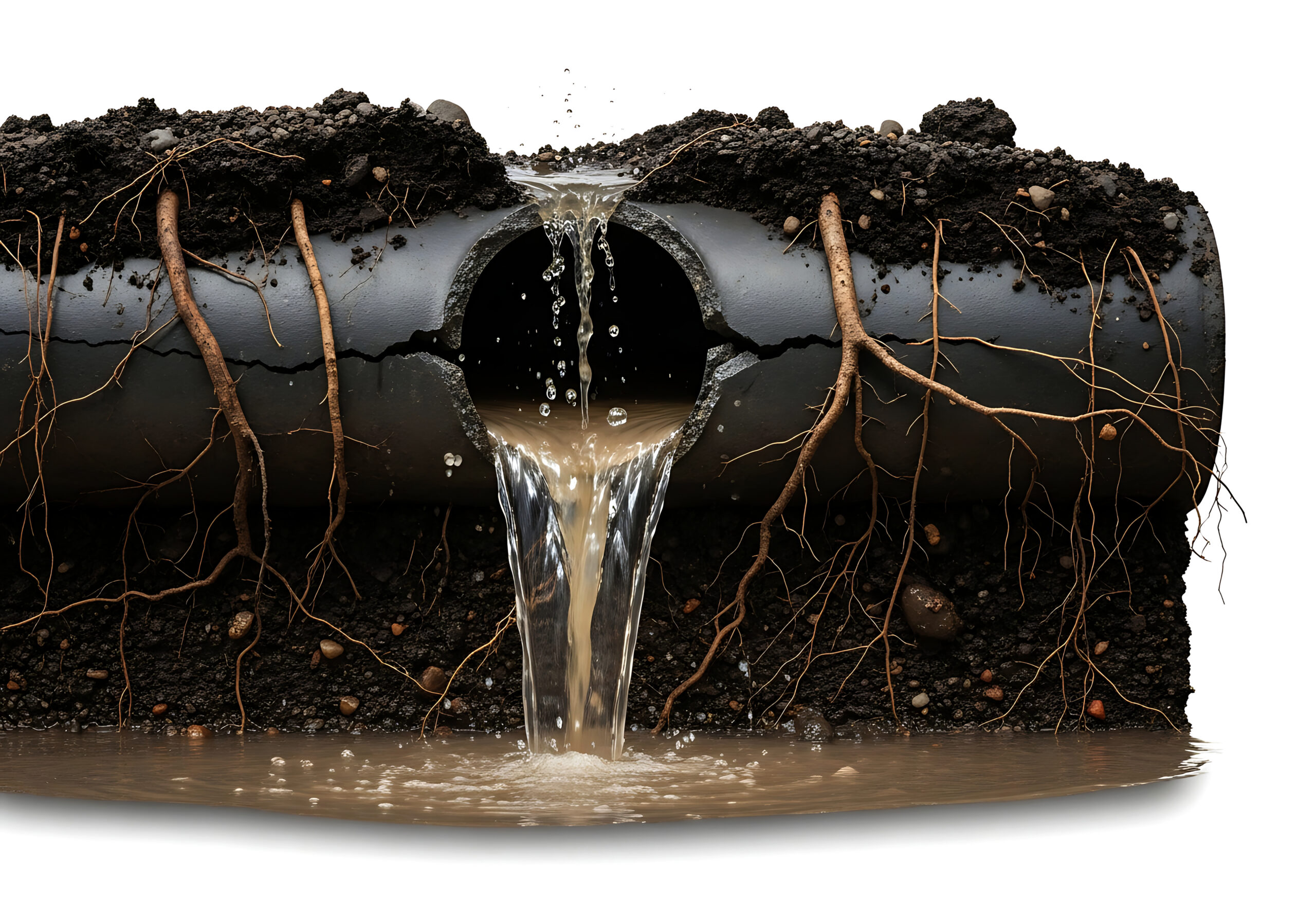
Groundwater works into Seattle’s aging pipes through cracks, failed joints, and deteriorated manhole seals, standard infiltration. Inflow comes in through a more direct route: roof drains, foundation drains, and similar connections feeding straight into the sanitary system.
Both draw down sewer capacity during a rainy season that rarely lets up. Seattle’s sustained precipitation keeps groundwater tables elevated for months at a time, and a wastewater collection system already carrying excess I&I gets pushed toward overflow faster once saturation sets in.
Why the Liner Isn’t the Whole Story Here
Puget Sound contractors rely on CIPP to renew deteriorated mains without disruptive open-cut work, a smart call in a region with this much rainfall and this little tolerance for open trenches. But the glacial soil surrounding that lined pipe doesn’t get any more predictable just because the main is fixed.
A lined main in Seattle doesn’t guarantee lower infiltration readings, because the glacial soil underneath varies wildly from block to block. Loose fill in one spot can settle and shift while dense till just down the street holds steady, creating uneven pressure across a single service run that has nothing to do with the mainline.
Common infiltration sources across Seattle’s neighborhoods include:
- Deteriorated laterals beneath older Ballard and Capitol Hill properties
- Failed main-to-lateral connections stressed by uneven glacial soil settlement
- Cracked host pipes destabilized by sustained hydrostatic pressure during the rainy season
- Manhole joint failures allowing groundwater intrusion near Lake Washington and Puget Sound shorelines
- Root intrusion into aging clay and concrete pipe common throughout the city’s older districts
Isolating the Problem Block by Block
Given how much Seattle’s glacial soil composition changes from block to block, a dry-season inspection alone rarely captures the full picture. Layering CCTV footage with flow monitoring and smoke testing helps confirm whether the actual leak sits at the main, the lateral, the connection, or the structure.
Matching the fix to the defect is what makes the program work: structural mainline failure gets CIPP; a compromised lateral gets its own lining; a joint pulled apart by soil settlement gets connection-specific repair; a manhole cracked by hydrostatic pressure or shoreline groundwater intrusion gets structural rehab; and a small, active, isolated leak often needs nothing more than injection grouting.
What’s at Stake for Engineers and Contractors
King County utilities work across a service area defined by nearly year-round rainfall to keep the cost of pumping and treating unwanted groundwater manageable. Sewer overflows during heavy rain carry real regulatory consequences under the region’s consent decree obligations.
A system this exposed to sustained moisture and soil variability needs to be treated as one connected network, not a series of unrelated repairs. The mainline liner keeps the trunk sound; whether the neighborhood’s overall infiltration numbers actually drop depends on how well the laterals, connections, and manhole structures around it get rehabbed in the same window.
Find a WRT-certified installer serving the Puget Sound region to assess your collection system’s full scope of I&I sources.